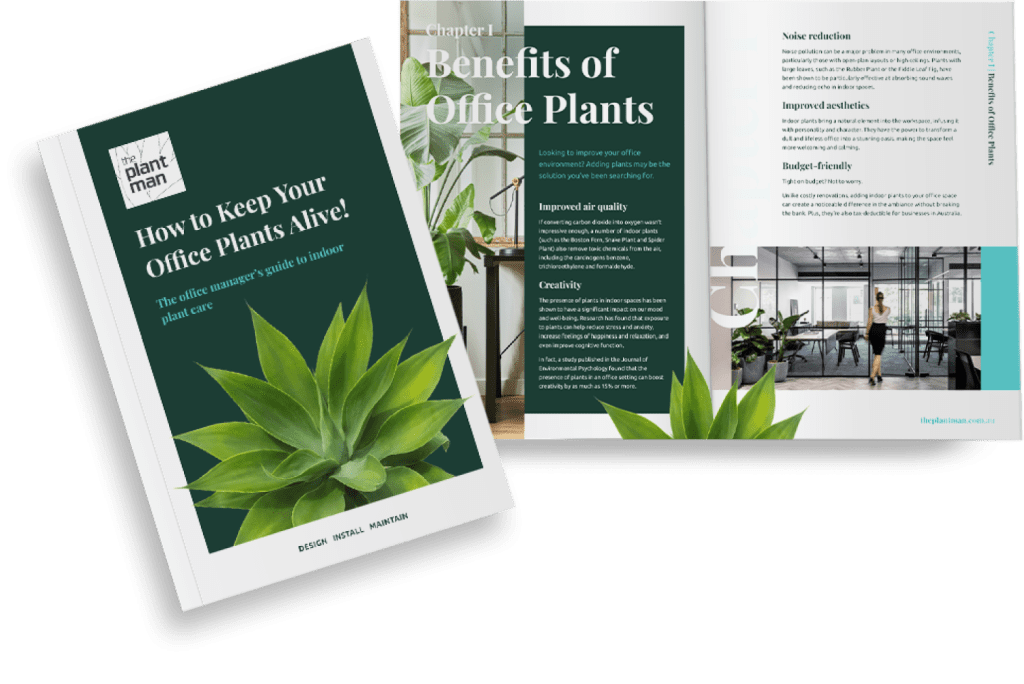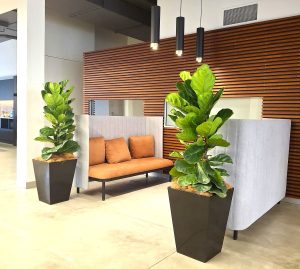

Healthcare spaces are designed to be clean, efficient and professional. But from a patient’s perspective, they can sometimes feel a little stark, especially when patients are sitting in waiting rooms feeling anxious or unwell.
A few well-placed plants for clinic environments can make a surprising difference. They soften reception areas, make waiting rooms feel calmer and create a more comfortable atmosphere for both patients and staff.
Beyond aesthetics, many plants also contribute to healthier indoor environments. Certain species are known as air-purifying plants, helping remove indoor pollutants and improve humidity levels. Below are some of the most reliable indoor plants for clinics or any healthcare settings.
The Snake Plant: Sanseveria Trifasciata or Sanseveria Superba Yellow Margin
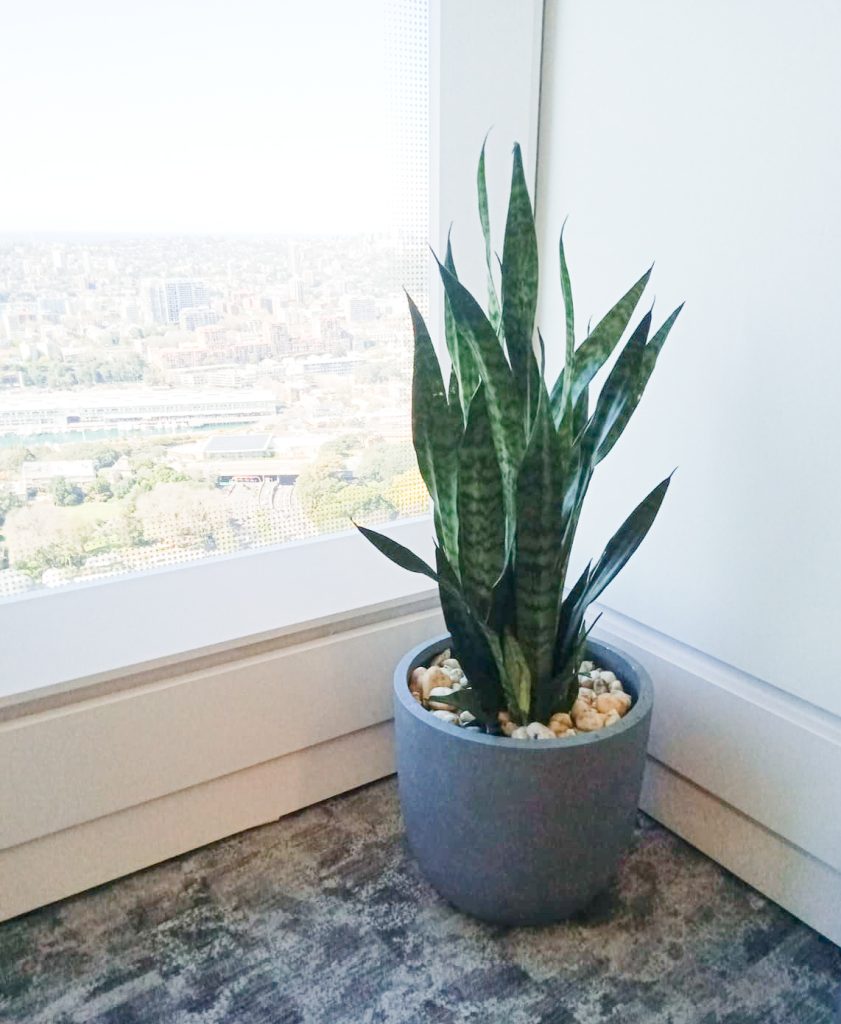
Snake Plants are one of the most reliable plants for clinic interiors. Although they do not replace clinical infection control practices, their role in supporting the reduction of indoor air pollutants may contribute to improved indoor environmental quality.
Benefits
- Upright growth makes them ideal for narrow areas such as corridors, reception desks and waiting rooms.
- Thick leaves are easy to wipe clean, which helps maintain hygiene in clinic environments.
- Their structured shape keeps reception and waiting areas looking tidy year-round.
- Can help support better indoor air quality.
- Has antimicrobial compounds within the plant.
Maintenance requirements
Snake Plants are known for their resilience and adapt well to indoor environments. Typical care includes:
- watering every two to three weeks once the soil dries
- well-draining soil
- low to moderate indoor light
- occasional wiping of leaves to remove dust
For more detailed guidance, you can read our Snake Plant care guide, which covers watering, placement and long-term maintenance tips.
ZZ Plant: Zamioculcas zamiifolia
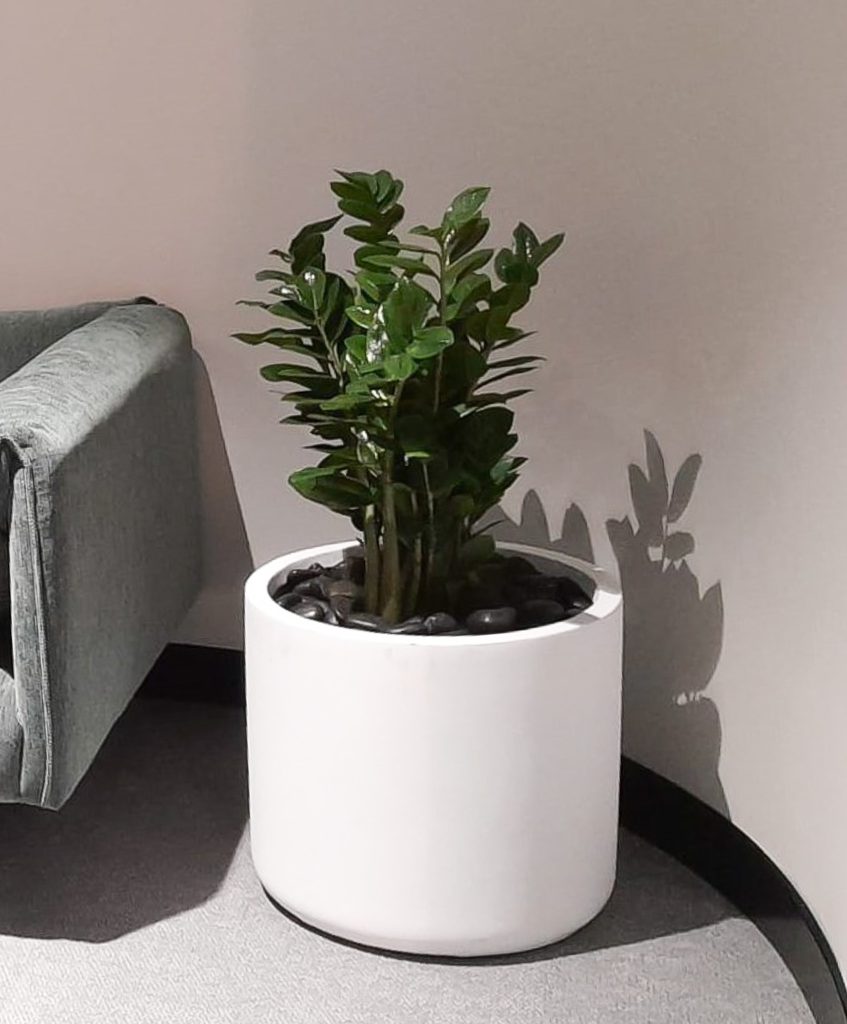
The ZZ Plant is widely used in commercial interiors and works particularly well as one of the most resilient plants for clinic interiors. It tolerates low light and dry indoor air, which makes it suitable for busy healthcare environments. Like many indoor plants for clinics, the ZZ Plant can help support healthier indoor conditions.
Benefits
- Exceptionally tolerant of low light, making it suitable for interior corridors and consultation rooms.
- Thick, waxy leaves help reduce moisture loss, allowing the plant to tolerate dry air-conditioned environments.
- Slow growth means it maintains a neat appearance without frequent pruning.
- Glossy foliage reflects light, helping brighten reception areas visually.
Maintenance requirements
ZZ Plants are highly adaptable indoors and generally need only basic care, including:
- Watering every three to four weeks once the soil has dried
- Well-draining potting mix
- Low to moderate indoor light
- Occasional wiping of leaves to remove dust
You can learn more about caring for this species in our guide to ZZ Plant care.
Spider Plant: Chlorophytum comosum
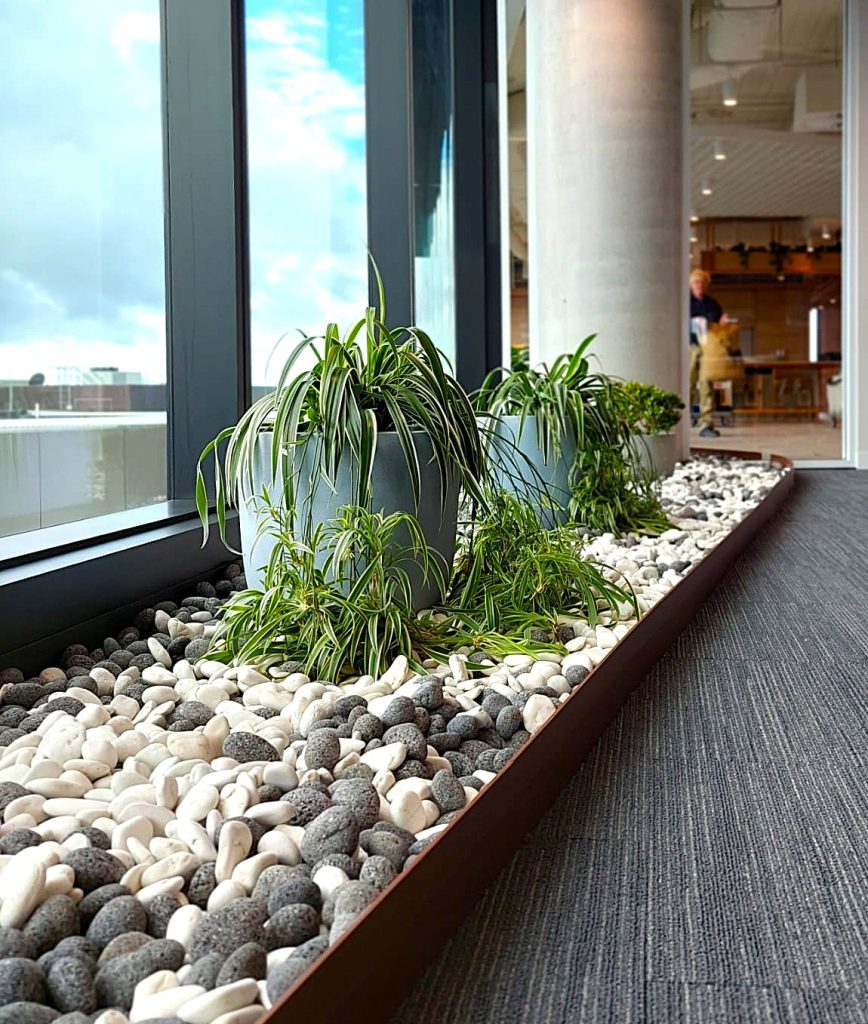
Spider Plants are a popular choice for indoor plants for clinic spaces because they stay compact and adapt easily to indoor settings. Their arching leaves bring a softer, more relaxed feel to reception desks, waiting areas and smaller consultation rooms.
Benefits
- Arching foliage softens rigid interior spaces such as reception counters and waiting areas.
- Compact size allows placement on desks, shelves or small planter boxes.
- Often considered an allergy-friendly plant because it produces minimal airborne pollen.
Maintenance requirements
Spider Plants are easy to care for and generally thrive indoors with simple maintenance:
- Moderate watering once the soil begins to dry
- Bright, indirect light
- Occasional trimming of offshoots to keep the plant tidy
- Well-draining soil
Philodendron Rojo Congo
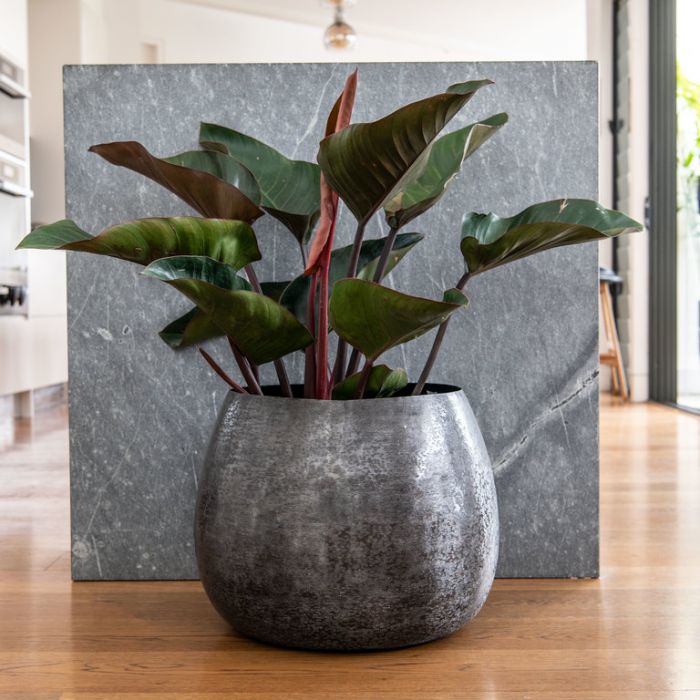
Philodendron Rojo Congo is a bold, structured indoor plant often used in commercial interiors. Its deep green and burgundy foliage adds warmth and visual interest while maintaining the clean, professional appearance expected in clinics.
Benefits
- Large glossy leaves create a strong focal point in reception areas and waiting rooms.
- Upright growth allows the plant to sit neatly in corners or planter displays.
- Adds rich colour contrast that complements neutral clinic interiors.
- Performs reliably in controlled indoor environments.
Maintenance requirements
To keep Philodendron Rojo Congo healthy indoors, it benefits from:
- Moderate watering once the top layer of soil begins to dry
- Bright, indirect light
- Well-draining potting mix
- Occasional wiping of leaves to remove dust
Happy Plant: Dracaena fragrans
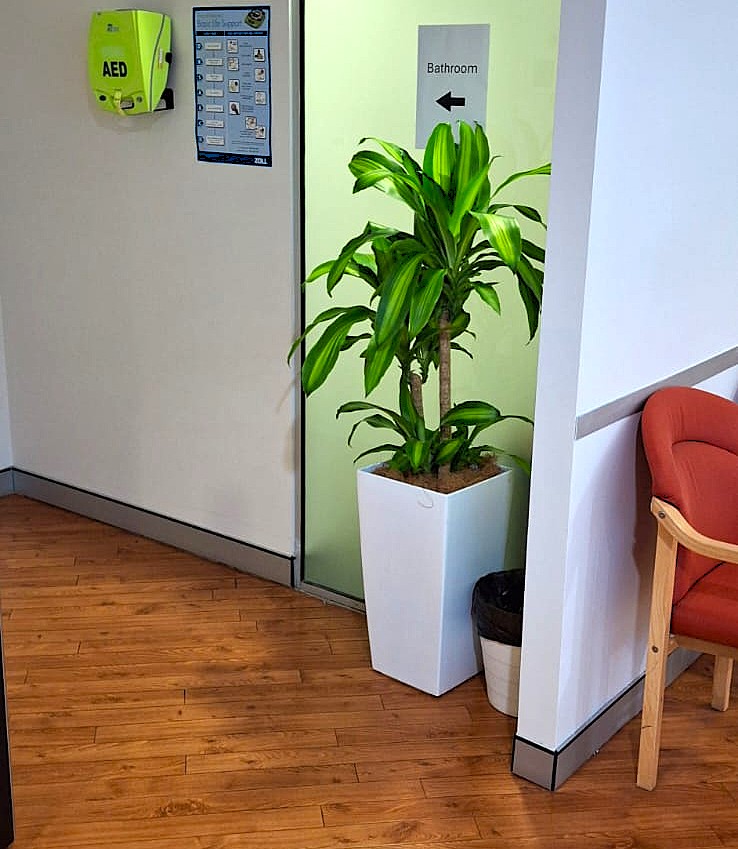
Happy Plants are commonly used in commercial interiors because of their lush green foliage and upright growth. In clinic environments, they help soften waiting areas and consultation spaces while maintaining a clean, professional look.
Benefits
- Broad leaves help soften rigid interior spaces such as reception areas and corridors.
- Upright growth allows the plant to fit neatly into corners or planter displays.
- Adds natural greenery without taking up excessive floor space.
- Performs well in controlled indoor environments.
Maintenance requirements
To keep Happy Plants healthy indoors, they benefit from:
- Moderate watering once the top layer of soil begins to dry
- Low to moderate indoor light
- Well-draining potting mix
- Occasional wiping of leaves to remove dust
Peace Lily: Spathiphyllum
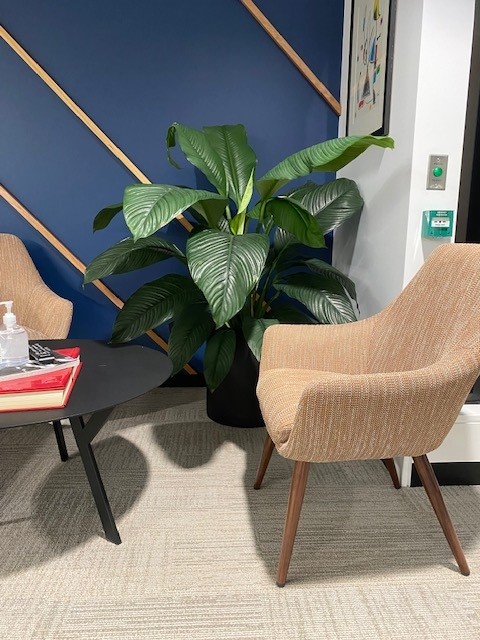
Peace Lilies are one of the most recognisable plants for clinic interiors. Their glossy leaves and distinctive white flowers create a calm, professional look that suits reception desks, waiting areas and consultation rooms.
Benefits
- White flowers naturally brighten reception areas and consultation rooms.
- Compact growth makes them easy to position in planter boxes or partitions.
- Performs well in moderate indoor lighting.
- Helps maintain a polished, professional look indoors.
Maintenance requirements
Peace Lilies tend to thrive indoors when provided with consistent but simple care:
- Watering when the top layer of soil begins to dry
- Low to medium indoor light
- Well-draining potting mix
- Occasional removal of older flowers or leaves
Pothos (Devil’s Ivy): Epipremnum aureum
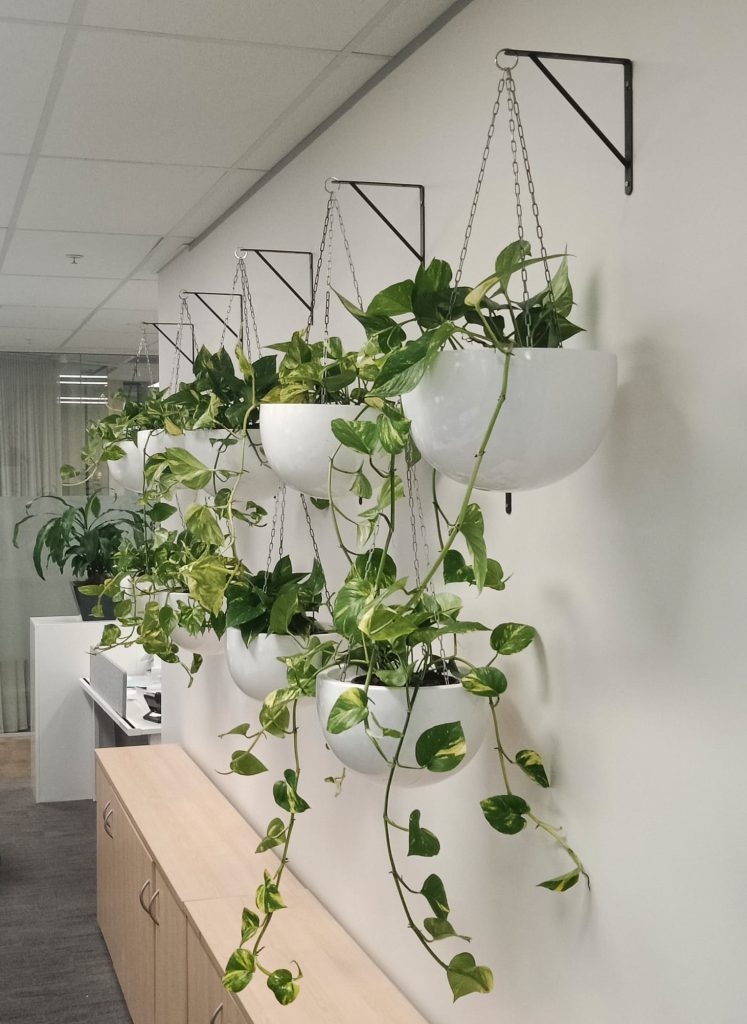
Pothos is a versatile trailing plant that works well in professional interiors. It adapts easily to indoor environments, where greenery needs to remain tidy and low-maintenance.
Benefits
- Trailing vines soften shelves, counters and elevated planter displays.
- Ideal for shelves, partitions or vertical greenery where floor space is limited.
- Handles variable lighting conditions well.
- Fast growth allows planter displays to fill out naturally.
Maintenance requirements
Pothos is generally easy to care for indoors and performs well with basic attention:
- Watering once the soil begins to dry
- Indirect or moderate indoor light
- Occasional trimming to control vine length
- Well-draining soil to prevent excess moisture
Rubber Plant: Ficus Elastica Burgundy
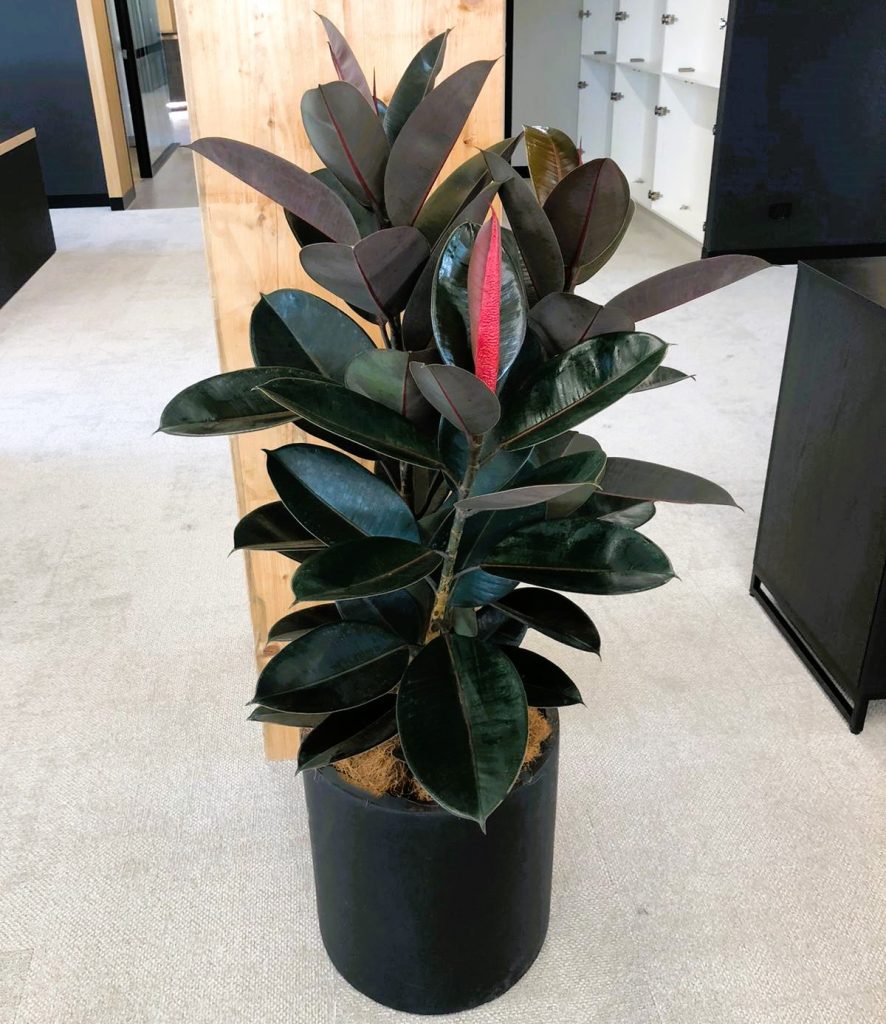
Rubber Plants work well when clinics need a slightly larger feature plant in reception areas or waiting rooms. Their broad, glossy leaves create a strong visual presence while still maintaining the tidy look expected in professional interiors.
Benefits
- Large leaves create a bold focal point in reception areas.
- Adds height and structure to open waiting rooms.
- Thick foliage suits a modern, minimalist look.
- Performs well in bright indoor environments.
Maintenance requirements
Rubber Plants generally perform well indoors with straightforward care:
- Watering when the soil begins to dry
- Bright, indirect light
- Occasional cleaning of leaves to remove dust
- Well-draining potting mix
English Ivy: Hedera helix
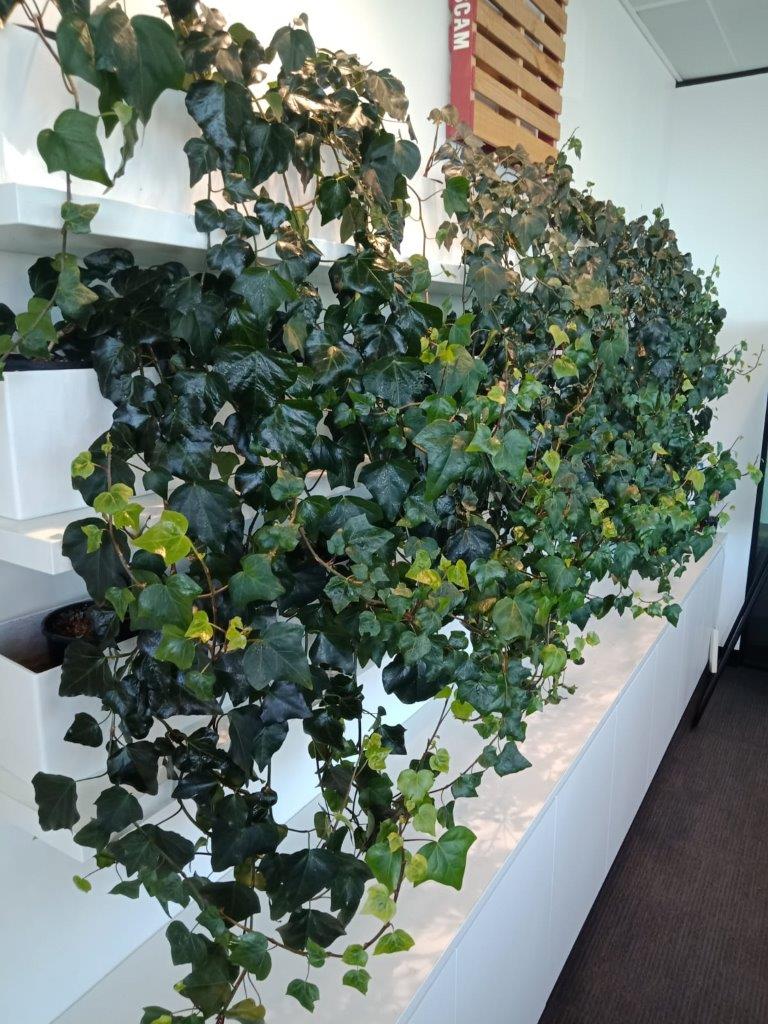
English Ivy is widely studied among indoor plants for its environmental benefits. Its trailing growth habit also makes it useful in vertical displays or raised planters in clinic interiors.
Benefits
- Research has shown that English Ivy may assist with the removal of airborne mould by up to 78% within 12 hours in controlled environments.
- Trailing vines work well in shelves, hanging baskets and vertical displays.
- Softens rigid architectural surfaces indoors.
- Adds greenery without occupying valuable floor space.
Maintenance requirements
English Ivy generally thrives indoors when provided with consistent but simple care:
- Moderate watering once the soil begins to dry
- Indirect indoor light
- Occasional pruning to maintain shape
- Well-draining soil
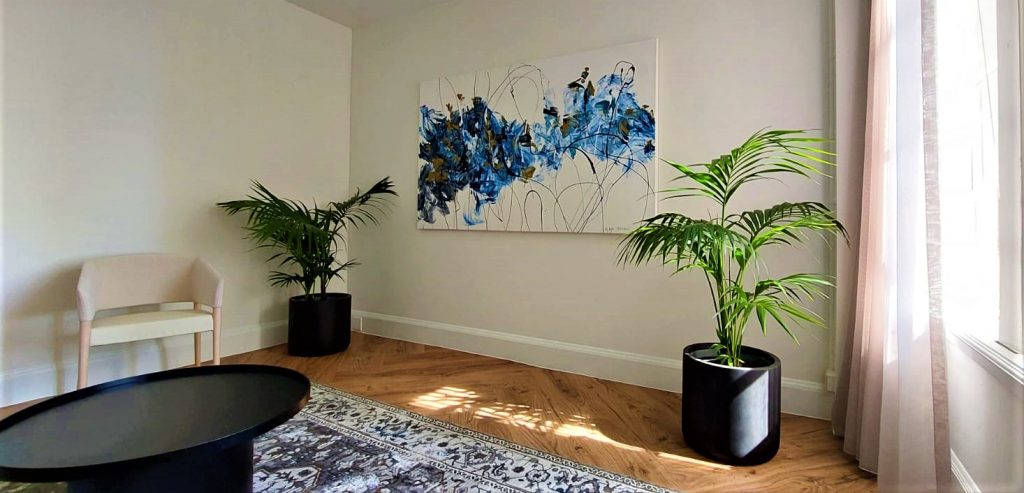
Ready to Bring Fresh Air to Your Healthcare Space?
Carefully selected plants in clinic spaces can soften clinical interiors, introduce natural colour and create a more welcoming setting for patients and staff.
With The Plant Man, businesses can rent indoor plants through long-term plant hire programs that include ongoing landscaping and maintenance. Plants are monitored, cared for and replaced when needed, ensuring they continue to look healthy without adding extra work for staff.
For larger spaces, greenery can also be incorporated through features such as living green walls, while some workplaces extend planting beyond the building with professionally maintained greenery outdoors.
FAQs
Which medicinal plant is in high demand?
Turmeric (Curcuma longa) is one of the most in-demand medicinal plants globally. India produces around 75–80% of the world’s turmeric supply and exports large quantities each year, reflecting strong demand in supplements, foods and wellness products.
Another widely used plant is Aloe Vera, which is heavily used in skincare and health products. The global market is valued at over USD $700 million and continues to grow, according to market research on the Aloe Vera industry.
What plant removes the most toxins?
Several indoor plants have been studied for their ability to help remove airborne pollutants. Species such as Snake Plant, Peace Lily and Spider Plant have been shown in controlled studies to assist with the removal of indoor pollutants such as benzene and formaldehyde, which can be released from furniture, building materials and cleaning products.
Plants do not replace ventilation systems, but they can contribute to improved indoor environmental quality.
What plant is auspicious for offices?
The Money Tree (Pachira aquatica) is widely considered an auspicious plant in many Asian cultures, particularly in China and Taiwan, where it symbolises prosperity and financial success.
Lucky Bamboo is another popular choice. In Feng Shui traditions, three bamboo stalks represent happiness, wealth and longevity. These types of plants are commonly described as auspicious plants and are often placed near entrances or reception areas.
What plant gives oxygen for 24 hours?
The Snake Plant (Dracaena trifasciata) uses a process called CAM photosynthesis, which allows it to exchange gases at night rather than only during the day.
This process has been discussed in research examining the environmental benefits of snake plants. While the overall oxygen output indoors is modest, it is one reason Snake Plants remain a popular choice for indoor plants in workplaces and clinics.
Turmeric (Curcuma longa) is one of the most in-demand medicinal plants globally. India produces around 75–80% of the world’s turmeric supply and exports large quantities each year, reflecting strong demand in supplements, foods and wellness products.
Another widely used plant is Aloe Vera, which is heavily used in skincare and health products. The global market is valued at over USD $700 million and continues to grow, according to market research on the Aloe Vera industry.
Several indoor plants have been studied for their ability to help remove airborne pollutants. Species such as Snake Plant, Peace Lily and Spider Plant have been shown in controlled studies to assist with the removal of indoor pollutants such as benzene and formaldehyde, which can be released from furniture, building materials and cleaning products.
Plants do not replace ventilation systems, but they can contribute to improved indoor environmental quality.
The Money Tree (Pachira aquatica) is widely considered an auspicious plant in many Asian cultures, particularly in China and Taiwan, where it symbolises prosperity and financial success.
Lucky Bamboo is another popular choice. In Feng Shui traditions, three bamboo stalks represent happiness, wealth and longevity. These types of plants are commonly described as auspicious plants and are often placed near entrances or reception areas.
The Snake Plant (Dracaena trifasciata) uses a process called CAM photosynthesis, which allows it to exchange gases at night rather than only during the day.
This process has been discussed in research examining the environmental benefits of snake plants. While the overall oxygen output indoors is modest, it is one reason Snake Plants remain a popular choice for indoor plants in workplaces and clinics.